Softener Loop vs No Loop: New Build Checklist
Quick Answer: What Is the Difference Between a Softener Loop and No Loop?
A softener loop is a dedicated plumbing connection that allows a water softener to be installed at the point where water enters the home. If your new build has a loop, the home is usually pre-plumbed for a water softener, which can simplify installation.
If your home has no loop, a water softener can often still be installed, but a technician will need to evaluate the plumbing, main water line, drain access, electrical access, and available installation space. The best way to know what your new home needs is to schedule a free water test and installation evaluation with Jason's Water Systems.
Key Takeaways
- A softener loop means your home is already pre-plumbed for a water softener.
- New builds may or may not include a loop, depending on the builder, floor plan, and plumbing design.
- A loop is commonly found in the garage, utility room, or near the water heater, but placement varies.
- No loop does not always prevent installation, but it may require additional plumbing work.
- Checking for a loop before closing or soon after moving in can help you plan for water treatment sooner.
- Jason's Water Systems can test your water, inspect your setup, and recommend the right whole-house softening and filtration system.
Buying a new construction home comes with a long checklist. You are looking at flooring, countertops, appliances, lighting, landscaping, warranties, and hundreds of small details that are easy to miss. One item that often gets overlooked until after move-in is the water softener setup.
In many Texas homes, hard water is not a minor inconvenience. It can leave spots on dishes, build up on faucets, dry out skin and hair, make laundry feel stiff, and put extra strain on appliances. If you are buying a new build, one of the first things to check is whether the home has a softener loop.
A softener loop can make installing a whole-home water softener much easier. But if your new home does not have one, that does not automatically mean you are out of options. It just means the installation may require a different approach.
What Is a Water Softener Loop?
A water softener loop is a section of plumbing designed specifically for connecting a water softener to your home's water supply. It usually consists of a water line that comes out of the wall, loops back in, and allows treated water to flow through the house after passing through the softener.
In many new construction homes, the loop is installed in the garage or utility area. You may see two capped pipes, a U-shaped pipe, or a clearly labeled softener connection. Sometimes there will also be a nearby drain line and electrical outlet, which are both helpful for softener installation.
The loop matters because a water softener is usually installed near the main water entry point. This allows the system to treat water before it travels to your showers, sinks, laundry, dishwasher, and water heater.
Why Builders Include Softener Loops
Builders may include softener loops because many homeowners want the option to add water treatment after move-in. In hard water areas, pre-plumbing for a softener is often viewed as a practical upgrade.
A loop can make the installation cleaner and more efficient because the water supply has already been routed with a softener in mind. Instead of opening walls or rerouting larger sections of plumbing, the installer may be able to connect the system directly to the existing loop.
That said, not every new build comes with a loop. Some builders include it as a standard feature, some offer it as an upgrade, and others leave it out entirely. It is always worth asking before closing on the home.
How to Tell If Your New Build Has a Softener Loop
The easiest place to start is in the garage, especially near the water heater or main water shutoff. Look for two pipes coming out of the wall and going back into the wall. They may be capped, connected with a small loop of pipe, or labeled for a water softener.
You should also check the utility room, exterior wall near the main service line, or mechanical closet, depending on how the home is built. In some homes, the loop is not obvious if drywall, cabinetry, or builder finishes hide the plumbing.
If you are still in the buying process, ask your builder directly: "Is this home pre-plumbed with a water softener loop?"
If they say yes, ask where it is located and whether there is a nearby drain and electrical access. If they say no, ask whether the home's plumbing layout allows for a softener installation later.
What to Check Beyond the Loop
A loop is helpful, but it is not the only thing that matters. Before installing a water softener, you also want to check the water source, available space, drain access, electrical access, and whether outdoor hose bibs are tied into the softened water line.
For example, some homes are plumbed so that exterior hose bibs stay on untreated water. This can be useful because softened water is not always necessary for watering plants, grass, or outdoor cleaning. Other homes may route water differently.
You should also check whether the loop is installed before or after certain fixtures. A properly placed system should treat the water that supplies the main parts of the home, including bathrooms, kitchen fixtures, laundry, and appliances that use hot water.
A professional evaluation can confirm whether the loop is usable and whether the placement makes sense for your goals.
What If Your New Build Has No Softener Loop?
If your new home does not have a softener loop, do not assume you cannot install a system. Many homes without loops can still be set up for water treatment. The difference is that the installation may require more planning.
A technician may need to locate the main water line, determine the best installation point, add plumbing connections, and identify the best drain option. The system may be installed in the garage, near the main line, outside in a protected area, or in another practical location based on the home's layout.
This is why it is important to have your home evaluated before choosing a system. Jason's Water Systems can inspect your setup and help determine whether your home is ready for installation or needs additional plumbing work.
Why New Builds Still Need Water Treatment
Many homeowners assume a brand-new home means brand-new pipes, clean fixtures, and fewer water problems. While the home may be new, the water supply is still the water supply. If the area has hard water, your new home can start experiencing hard water effects right away.
Hard water minerals can collect inside plumbing lines, faucets, water heaters, dishwashers, washing machines, and showerheads. Over time, this buildup can reduce efficiency and make appliances work harder. It can also cause visible issues like cloudy glassware, white crust on fixtures, dry skin, dull hair, and soap that does not rinse cleanly.
That is why water treatment is worth considering early. Installing a system soon after moving in can help protect new appliances and fixtures from the beginning.
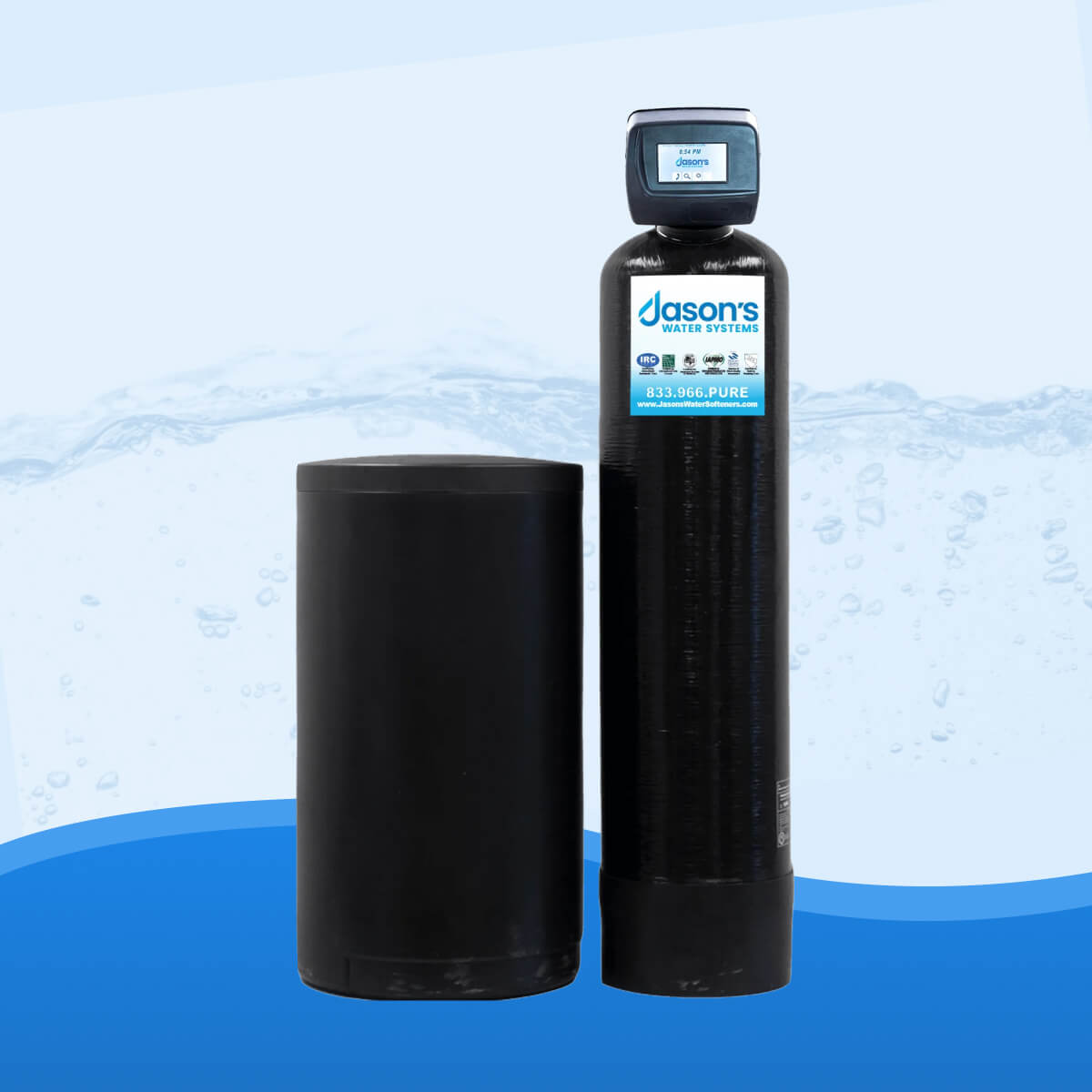
Jason's Water Systems offers water filtration systems and whole-house softening and filtration options designed to improve water throughout the home.
Softener Loop vs No Loop: Which Is Better?
Having a softener loop is usually better from an installation standpoint because the home is already prepared for a system. It can reduce the amount of plumbing work needed and may give the installer a straightforward place to connect the unit.
However, no loop does not mean the home is a bad fit for a softener. It simply means the installation needs to be assessed carefully. In some homes, adding the right connections is simple. In others, the layout may require a more customized solution.
The real question is not only whether your home has a loop. It is whether your home has the right setup for the type of water treatment you need.
Should You Ask the Builder to Add a Loop?
If your home is still under construction, ask about adding a softener loop before the walls are closed. It may be easier and more cost-effective to include the loop during construction than to modify plumbing later.
When speaking with your builder, ask where the loop will be located, whether it includes drain access, whether an electrical outlet will be nearby, and whether the loop will treat the whole home. You may also want to ask whether the hose bibs will be softened or left untreated.
Even if the builder offers a loop, you do not have to rely on the builder for the water treatment system itself. Once the home is ready, Jason's Water Systems can test your water and help you choose a system that fits your water quality, household size, and long-term goals.
Do You Need a Water Test in a New Build?
Yes. A new home can still have hard water, chlorine taste or odor, sediment, or other water quality concerns. A water test helps you understand what is actually coming through your taps instead of guessing based on the home's age.
A free water test from Jason's Water Systems can help identify hardness levels and other common water issues. From there, the team can recommend the right system for your home.
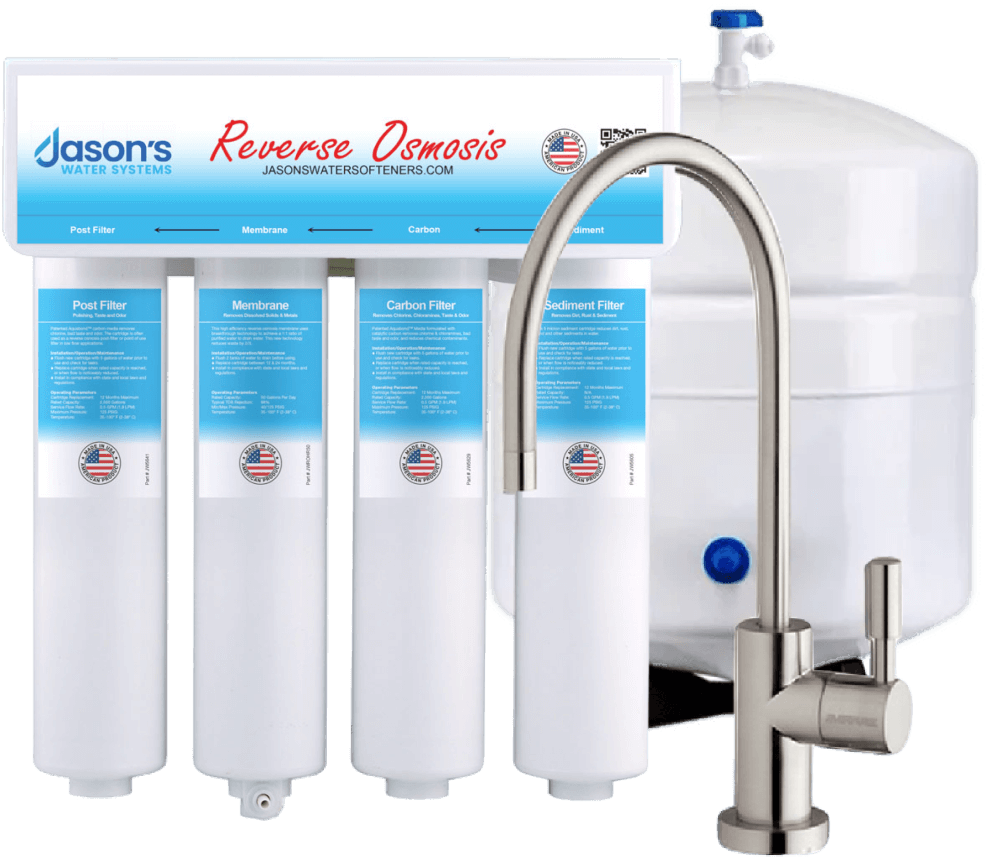
For some homeowners, a softener may be the main priority. For others, a combination of softening and filtration may be the better fit. If you are focused on drinking water, you may also want to ask about quick-connect reverse osmosis options.
What to Check Before Closing on a New Build
Before closing, take a few minutes to inspect the home's water setup or ask your builder for details. Confirm whether the home has a softener loop and where it is located. Ask if the home has a main water shutoff that is easy to access. Look for nearby electrical outlets and drain access. Ask whether the loop is connected to the whole home or only certain lines.
You can also ask whether the builder has a plumbing diagram available. This can be useful later if you plan to install a softener, filtration system, or reverse osmosis system.
If you already closed on the home and forgot to check, that is okay. You can still have the setup inspected and tested.
Common Signs Your New Home Has Hard Water
Even in a new build, hard water can show up quickly. You may notice white spots on dishes, cloudy shower glass, dry-feeling skin after bathing, dull hair, stiff laundry, mineral crust around faucets, or a water heater that seems to struggle sooner than expected.
These issues are easy to dismiss at first because the home is new. But hard water does not wait for a house to age. If your water has high mineral content, those minerals can start affecting fixtures and appliances as soon as you move in.
For more information on how hard water impacts your home, read Jason's Water Systems' blog on the true costs of hard water or the guide on whether new homes need a water softener.
How Jason's Water Systems Can Help
Jason's Water Systems can help homeowners understand whether their new build is ready for a water softener, whether the loop is usable, and which system is right for the home. The team can also help if your home has no loop and needs a different installation plan.
From water testing to system selection and long-term care, Jason's Water Systems provides support before and after installation. Their annual maintenance program can also help keep your system working properly over time.
If you are buying or moving into a new build, do not wait until hard water leaves spots, scale, and buildup throughout the home. Schedule a water test and find out what your home needs.
Frequently Asked Questions
What does a water softener loop look like?
A water softener loop often looks like two pipes coming out of the wall and connecting back into the wall. It may be capped, labeled, or shaped like a small U. In many homes, it is located in the garage near the water heater or main water line.
Can I install a water softener if my new build has no loop?
Yes, in many cases. A home without a softener loop may still be able to have a water softener installed, but the installation may require additional plumbing work. Jason's Water Systems can inspect your setup and recommend the best option.
Is a softener loop required for a water softener?
No, a softener loop is not always required. It simply makes installation easier when the home has already been pre-plumbed for a system. Without a loop, an installer needs to evaluate the plumbing and determine the best connection point.
Should I ask my builder for a softener loop?
Yes. If your home is still under construction, ask whether a softener loop can be added. It is often easier to plan for water treatment before drywall, finishes, and appliances are complete.
Does a new construction home need a water softener?
A new construction home may still need a water softener if the local water is hard. New plumbing and new appliances do not prevent mineral buildup. A softener can help protect fixtures, appliances, laundry, skin, and hair from hard water issues.
Where is the best place to install a water softener?
The best location is usually near the main water supply line where water enters the home. In many new builds, this is in the garage or utility area. The ideal location should also have enough space, drain access, and electrical access.
Can a water softener treat the whole house?
Yes, a properly installed whole-home water softener can treat water for showers, sinks, laundry, dishwashers, and water heaters. Jason's Water Systems offers whole-house softening and filtration systems for homeowners who want treated water throughout the home.
Should outdoor faucets be connected to softened water?
Not always. Many homeowners prefer to leave outdoor hose bibs on untreated water because softened water is not usually needed for lawns, plants, or outdoor cleaning. A technician can help determine how your home is plumbed.
What should I do before buying a water softener for a new build?
Start with a water test and plumbing evaluation. This helps confirm your water hardness, identify any taste or odor concerns, and determine whether your home has a usable loop. Schedule a free water test with Jason's Water Systems.
What if I already moved in and forgot to check for a loop?
You can still check the garage, utility room, or area near the water heater for softener connections. If you are unsure, Jason's Water Systems can inspect the home and explain your installation options.
Get Your New Build Ready for Better Water
Whether your new home has a softener loop or no loop at all, Jason's Water Systems can help you understand your options. A quick water test and installation evaluation can give you a clear plan for protecting your new home from hard water.
Contact Jason's Water Systems today through the Contact Us page to schedule your free water test or learn more about water softener installation for your new build.