Do New Homes Need a Water Softener?
Quick Answer
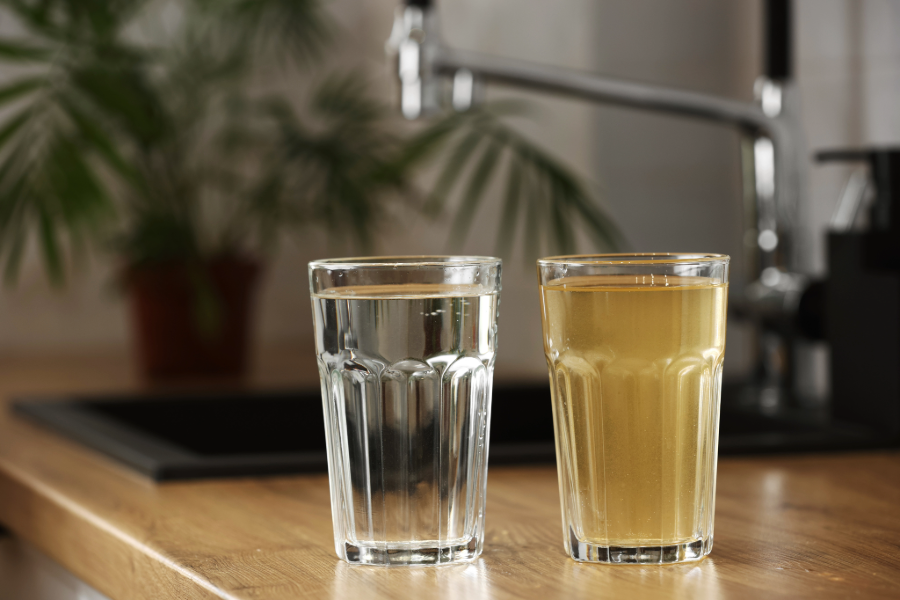
Yes, many new homes still benefit from a water softener. Even with brand-new plumbing and fixtures, water quality is determined by the local water supply, not the age of the home.
Key Takeaways
- New homes can still have hard water
- City water treatment focuses on safety, not mineral removal
- Hard water can affect fixtures, appliances, and comfort from day one
- Builder upgrades rarely include water softeners
- A professional water test is the best way to know what your home needs
Why Homeowners Assume New Homes Don’t Need Water Softeners
It’s a common assumption: if a home is brand new, the water must be fine. New pipes, new appliances, new fixtures. Everything is clean and unused, so why would water quality be an issue? The reality is that plumbing age has very little to do with water hardness.
While new construction eliminates old pipes and existing scale buildup, it does not change the mineral content of the water flowing into the home. Builders also tend to focus on visible finishes rather than long-term water quality protection, which leads many homeowners to discover hard water issues sooner than expected.
What Determines Water Quality in a New Home
Local Water Supply
Whether your home is connected to municipal water or a private well plays a major role in water quality. In many parts of Central Texas, groundwater and surface water sources naturally contain high levels of calcium and magnesium, the minerals responsible for hard water.
Source Water and Treatment Methods
Municipal water treatment is designed to make water safe to drink by removing bacteria and contaminants. It does not remove hard minerals. That means even fully treated city water can still cause scale buildup, soap inefficiency, and residue throughout the home.
Plumbing Materials
New pipes may delay visible buildup, but they do not prevent mineral deposits from forming. Over time, hard water will still leave scale inside pipes, fixtures, and appliances, regardless of how new the system is.
Signs of Hard Water in a Newly Built Home
Many homeowners notice signs of hard water within the first few months of moving in, including:
- White spots on faucets, sinks, and shower glass
- Soap that doesn’t lather well
- Dry skin or dull hair after bathing
- Early residue on dishes and glassware
- Scale buildup on showerheads and fixtures
Because everything is new, these signs can be surprising, but they are often the first indication that a water softener may be beneficial.
How Hard Water Can Impact a New Home Over Time
Hard water issues often begin subtly, especially in a newly built home. At first, the effects may seem limited to minor spots on fixtures or soap that doesn’t rinse as cleanly as expected. Over time, however, mineral deposits can build up throughout the home’s plumbing and appliances, leading to more noticeable and costly concerns.
As minerals accumulate, hard water can:
- Reduce water heater efficiency, forcing the system to work harder to heat water
- Shorten the lifespan of appliances like dishwashers and washing machines due to internal scale buildup
- Restrict water flow in pipes and fixtures, which may lead to uneven pressure or reduced performance
- Increase cleaning time and product usage, as mineral residue becomes harder to remove
- Raise energy costs due to reduced efficiency, particularly for water-dependent systems
Addressing hard water early helps protect your home before these issues have a chance to develop. Installing a water softener at the start allows homeowners to maintain performance, reduce maintenance needs, and avoid problems that often appear years down the line.
Do Builders Install Water Softeners in New Homes?
In most cases, no. Water softeners are rarely included as a standard feature in new construction.
Some builders offer water softeners as an optional upgrade, while others simply “pre-plumb” the home for future installation. Pre-plumbing means the connections are in place, but no system is actually installed. Homeowners are still responsible for selecting, sizing, and installing the softener.
When Installing a Water Softener Makes Sense for a New Home
You Live in a Known Hard Water Area
If your new home is located in a region with high mineral content in the water supply, installing a water softener early can help prevent scale buildup before it starts affecting your plumbing and fixtures.
You Want to Protect Appliances From Day One
Hard water can begin impacting water heaters, dishwashers, and washing machines immediately. A water softener helps reduce mineral buildup that can shorten appliance lifespan and reduce efficiency over time.
You Prefer Easier Cleaning and Better Soap Performance
Softened water makes it easier for soap and detergents to lather and rinse cleanly. This can mean fewer spots on fixtures, less residue on dishes, and less time spent scrubbing.
Comfort and Long-Term Maintenance Matter to You
Many homeowners choose water softeners for everyday comfort and long-term care of their home. Softer water can contribute to smoother skin, cleaner surfaces, and lower maintenance needs as the home ages.
Why Testing Your Water Is the First Step
Not all homes need the same solution, even within the same neighborhood. Water quality can vary based on the local supply, plumbing layout, and household usage, which is why testing is such an important first step. Rather than guessing, a professional water test provides clear insight into what is actually coming through your taps.
A comprehensive water test reveals:
- Hardness levels, showing the concentration of calcium and magnesium in your water
- Mineral content, which can impact appliances, fixtures, and cleaning performance
- Other factors that may affect water quality, such as sediment or imbalances that influence system selection
With accurate results, a water softener can be properly sized and configured for your household’s specific needs. This ensures better performance, avoids unnecessary equipment, and helps you choose the right solution instead of relying on assumptions.
Jason’s Water Systems Approach to New Homes
Jason’s Water Systems helps homeowners understand their water before recommending any solution. Our team offers free in-home water testing, expert guidance, and systems designed to match your home’s usage and local water conditions.
We work with new construction homeowners across Central Texas, providing professional installation and long-term support to help protect homes, appliances, and plumbing from the effects of hard water.
Bringing It All Together
A new home doesn’t automatically mean better water. Hard water is a regional issue, not a construction issue, and it can begin affecting your home from the moment you move in.
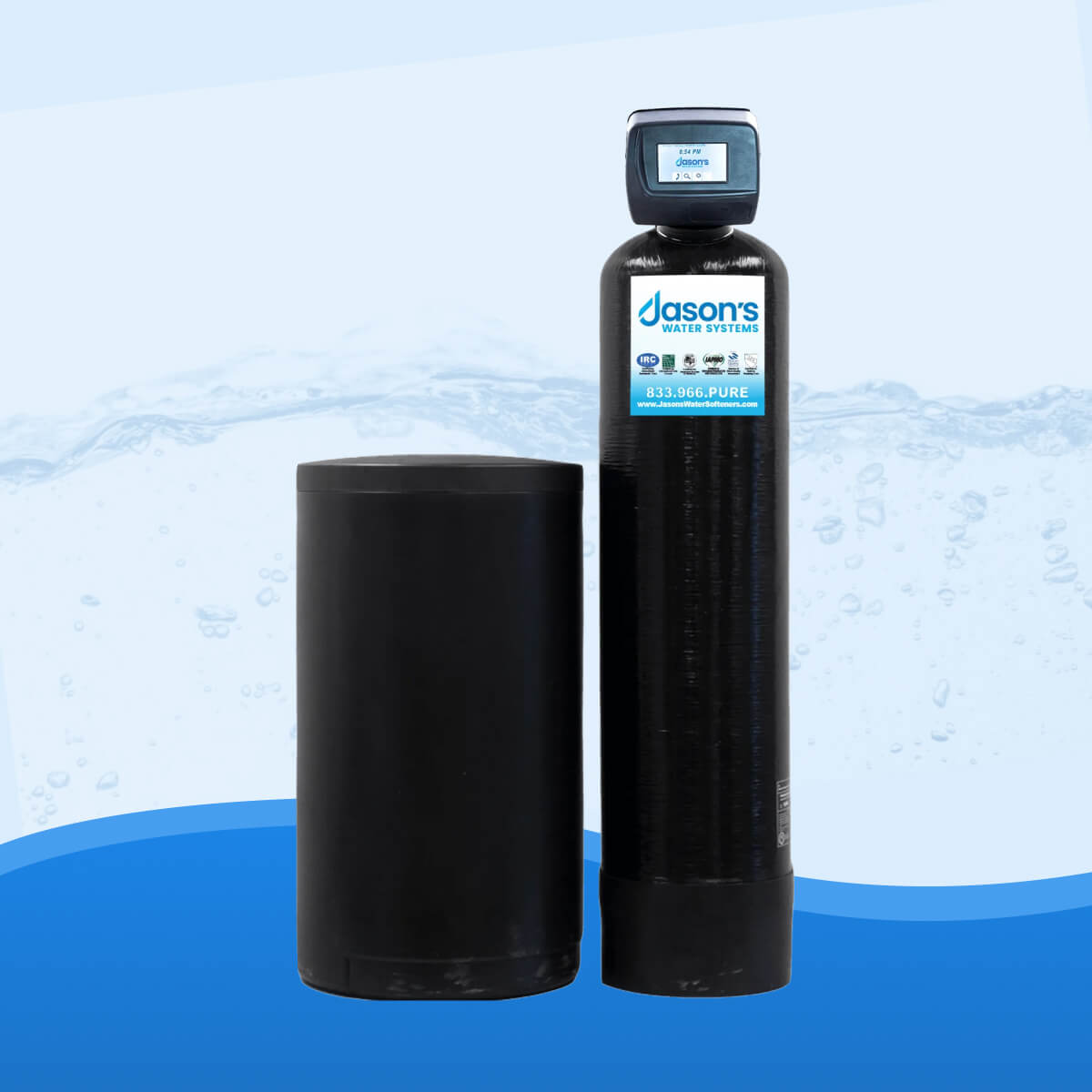
If you want to protect your investment, improve everyday comfort, and avoid long-term maintenance issues, a whole-home water softener in Austin, TX, is the solution. Jason’s Water Systems is here to help you understand your water and decide whether a water softener makes sense for your new home. Contact us today to schedule your consultation.