Building a New Home? Ask Your Builder for a Water Softener Loop
Quick Answer: What Is a Water Softener Loop?
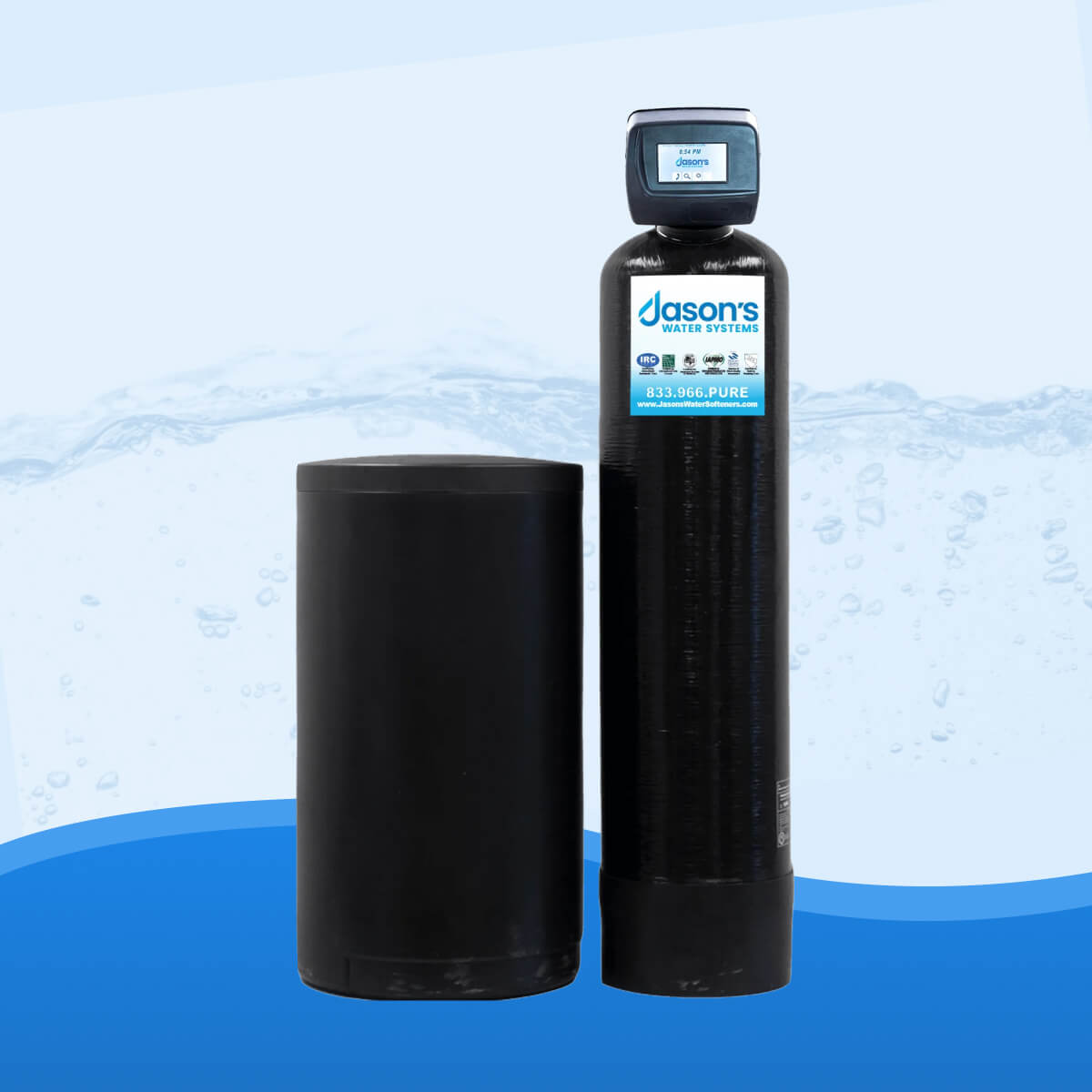
A water softener loop is a section of plumbing designed to provide a convenient connection point for a whole-house water softener.
The loop intercepts the home’s main water supply so incoming water can be routed through the treatment system before traveling to fixtures throughout the home.
A water softener installation may also require proper drainage and access to electricity, depending on the system.
Planning these components during new construction is usually much simpler than adding them after the house is completed.
Key Takeaways
- Ask your builder about a water softener loop before construction is finished. Planning the plumbing early can make a future whole-house water softener installation much easier.
- A complete setup may require more than the loop itself. Depending on the system, you may also need proper drainage and nearby electrical access.
- Retrofitting a finished home can require additional plumbing work. Preparing for water treatment during construction can help avoid more complicated installation work later.
There are hundreds of decisions to make when building a home.
Countertops, flooring, lighting, outlets, appliances, fixtures, cabinets.
But there is one feature many homeowners in hard-water areas do not think about until construction is finished:
Where will the water softener go?
If you are building a new home in San Antonio or Central Texas, ask your builder about installing a water softener loop before the plumbing and walls are finished.
It can make adding a whole-house water treatment system significantly easier later.
Why Should You Add a Water Softener Loop During Construction?
When plumbing is still exposed, builders and plumbers have much easier access to the home’s water lines.
That makes it possible to determine where a future whole-house water softener will be installed and prepare the plumbing accordingly.
Once drywall, flooring, cabinets, landscaping, and finished spaces are in place, reaching the main water supply may require considerably more work.
A retrofit can involve:
- Additional plumbing
- Opening finished walls
- Routing new lines
- Creating proper drainage
- Adding an electrical outlet
- Running plumbing through the garage or exterior
Every home is different, which means retrofit costs vary.
In the video, Emily notes that homeowners may encounter an additional installation expense of roughly $1,300–$2,000 when a suitable loop was not installed during construction. Actual costs depend on the home, plumbing layout, location of the main line, and work required.
Where Is a Water Softener Loop Usually Located?
In many Texas homes, the water softener loop is located in the garage.
The loop creates a location where the home's incoming water line can be redirected through the water treatment system.
An installation area may include:
- Incoming hard-water connection
- Treated-water return connection
- Drain access for system regeneration
- Nearby electrical outlet
The exact design depends on the property and local plumbing requirements.
Why Does the Loop Need to Connect to the Main Water Line?
A whole-house system is intended to treat water before it reaches most of the fixtures and appliances in the home.
That means the installation point matters.
If the softener is correctly connected to the home's primary water supply, softened water can reach areas such as:
- Showers
- Faucets
- Washing machines
- Dishwashers
- Water heaters
- Toilets
This is why planning a soft-water loop before construction is complete can simplify the entire setup.
Do New Homes Really Need Water Softeners?
A brand-new house can still have hard water.
New pipes, fixtures, appliances, and countertops do not change the mineral content of the water entering the home.
If your local water contains elevated levels of calcium and magnesium, you can still experience:
- Water spots
- Mineral deposits
- Scale buildup
- Soap scum
- Hard-water residue on fixtures
- Buildup inside water-using appliances
That is why new homes can benefit from water softening just like older properties.
Planning during construction simply makes the treatment system easier to incorporate.
Why Hard Water Matters in New Construction
Many Central Texas communities have naturally hard or very hard water.
Hard water contains dissolved calcium and magnesium. Those minerals are not usually a sign that municipal water is unsafe, but they can leave visible scale and deposits throughout a home.
Over time, hard-water buildup can appear on new faucets, shower glass, appliances, and plumbing components.
For homeowners who have just invested in a new house, protecting those new fixtures and appliances is often part of the reason they consider water treatment early.
Learn more about what hard water is and why it causes buildup.
What Should You Ask Your Builder?
You do not need to become a plumber before your construction meeting.
Simply ask:
“Can you install a water softener loop and prepare this home for a whole-house water treatment system?”
Then confirm where the equipment would be located and whether the setup includes appropriate plumbing, drain access, and electrical service.
If you already know you want a water softener, involving Jason’s Water Systems before construction is finished can also help you understand what the future installation will require.
Planning Ahead Is Easier Than Retrofitting Later
You have a unique opportunity during new construction.
The plumbing is accessible. The walls may still be open. Changes that are relatively simple today can become much more complicated once the home is complete.
A water softener loop may not be as exciting as choosing your kitchen countertops, but if you live in a hard-water area, it is worth putting on your construction checklist.
Jason’s Water Systems has helped Texas homeowners understand and treat hard water since 1979.
If you are building a new home, we can help you understand your water quality and what your builder should prepare before move-in.
Schedule a free water test or consultation with Jason’s Water Systems and start planning your new home's water treatment system before construction is finished.
Frequently Asked Questions
What is a water softener loop?
A water softener loop is a section of plumbing that provides a connection point for a whole-house water softener. It allows incoming water to be routed through the treatment system before continuing into the home.
Where is a water softener loop usually installed?
In many Texas homes, the water softener loop is installed in the garage near the main water line. The exact location depends on the home’s plumbing design and where the water treatment equipment will be installed.
Should I ask my builder for a water softener loop?
If you are building in an area with hard water and may want a water softener, it is worth discussing with your builder before construction is complete. Installing the necessary plumbing while walls and water lines are accessible can make future installation easier.
Does a water softener need a drain and electrical outlet?
Many water softeners require access to a drain for regeneration and electricity for the control valve. Requirements vary by system, so the installation area should be planned around the specific equipment being used.
Can I install a water softener if my home does not have a loop?
Yes. A water softener can often still be installed, but additional plumbing may be necessary to connect the system to the main water supply and provide appropriate drainage or electricity.
How much does it cost to add a water softener loop later?
The cost varies considerably depending on the location of the main water line, accessibility, plumbing layout, and the amount of work required. Sme retrofit situations can add approximately $1,300–$2,000, but homeowners should get a property-specific estimate rather than assuming that range applies to every home.
Do new homes still need water softeners?
They can. A new home does not change the hardness of the water entering the property. If the local water contains high levels of calcium and magnesium, homeowners can still experience scale buildup, water spots, soap scum, and mineral deposits on new fixtures and appliances.