Why More Families Are Improving Their Water Instead of Moving
Why More Families Are Improving Their Water Instead of Moving
Quick Answer
Many of the frustrations that make a home feel like it's time to move (spotty dishes, dry skin, water that tastes off) trace back to water quality, not the house itself. Improving your water typically costs a small fraction of what a move would, and it solves the problem at the source.
Key Takeaways
- Many common household frustrations, from spotty dishes to dry skin, trace back to water quality rather than the home itself
- A simple self-check can help you determine whether hard water is the actual culprit
- Moving typically costs tens of thousands of dollars more than treating the water, and a new home in the same area will likely have the same water supply
- Whole-home softening and drinking water filtration address most water-related frustrations in a single project
- Families typically notice changes in showers, laundry, and the kitchen within the first week of treatment
- The longer hard water runs untreated, the more wear it puts on pipes and appliances
- A free water test is a no-obligation way to find out exactly what's in your water before deciding on anything
A lot of homeowners don't decide to move because of one big problem. It usually starts small: spotty dishes, dry skin after a shower, or a hefty water bill that keeps rising. None of it feels urgent on its own, but over time it turns into a nagging sense that the house isn't working for you. Before that feeling turns into a for-sale sign, it's worth asking whether the problem is really the house, or something running through its pipes.
What's Actually Behind the Frustrations?
Hard water is the invisible culprit behind a surprising number of household complaints. Most homeowners in Central Texas and San Antonio are living with extreme water hardness levels, and the effects show up in places you wouldn't expect to connect back to the water supply.
Scale builds up on faucets and showerheads, soap won't lather the way it should, and dishes often come out of the dishwasher looking grimey. Towels can feel rough and scratchy even after washing with a full cycle of fabric softener, and hair can feel coated or dry after a shower.
Separately, many families have real concerns about what's actually in their drinking water, whether that's the taste, the odor, or a general uneasiness about contaminants. That concern often forces households to purchase bottled water every month without ever addressing the real problem.
These frustrations stem from the water supply, not the house. A newer home on the same water system would come with the exact same issues.
How Do You Know If Hard Water Is the Real Culprit?
A simple self-check can help confirm it. If several of these apply to your home, hard water is likely a bigger factor than the house itself:
- White, chalky spots on faucets, showerheads, or shower glass
- Dishes and glassware that come out cloudy or spotted after every dishwasher cycle
- Soap or shampoo that won't lather properly
- Dry skin or greasy hair after showering
- Towels and clothes that feel stiff or scratchy after washing
- Regularly buying bottled water because the tap does not taste right
If three or more of these apply, the water is worth evaluating before considering a move.
The Real Cost of Moving vs. Fixing It
A mid-range home sale in the San Antonio metro typically costs $30,000 to $50,000 or more once realtor commissions, closing costs, moving expenses, and repairs on the next property are included. This figure does not include hidden costs, such as pulling children out of school, leaving an established neighborhood, and the disruption that comes with packing up a household.
A whole-home water softener paired with a drinking water filtration system addresses most of these water-related frustrations, and the combined cost is a small fraction of what a move would require. Unless a family relocates to a region with a different water source, a new home in San Antonio will likely have the same hard water as the current one.
Moving does not solve a water quality problem. It only delays the point at which the same buildup starts again. Water quality frustrations are a fixable variable rather than a reason to sell a home.
What Does Improving Your Water Actually Look Like?
Improving your water quality starts with understanding what is behind the frustration:
For Hard Water
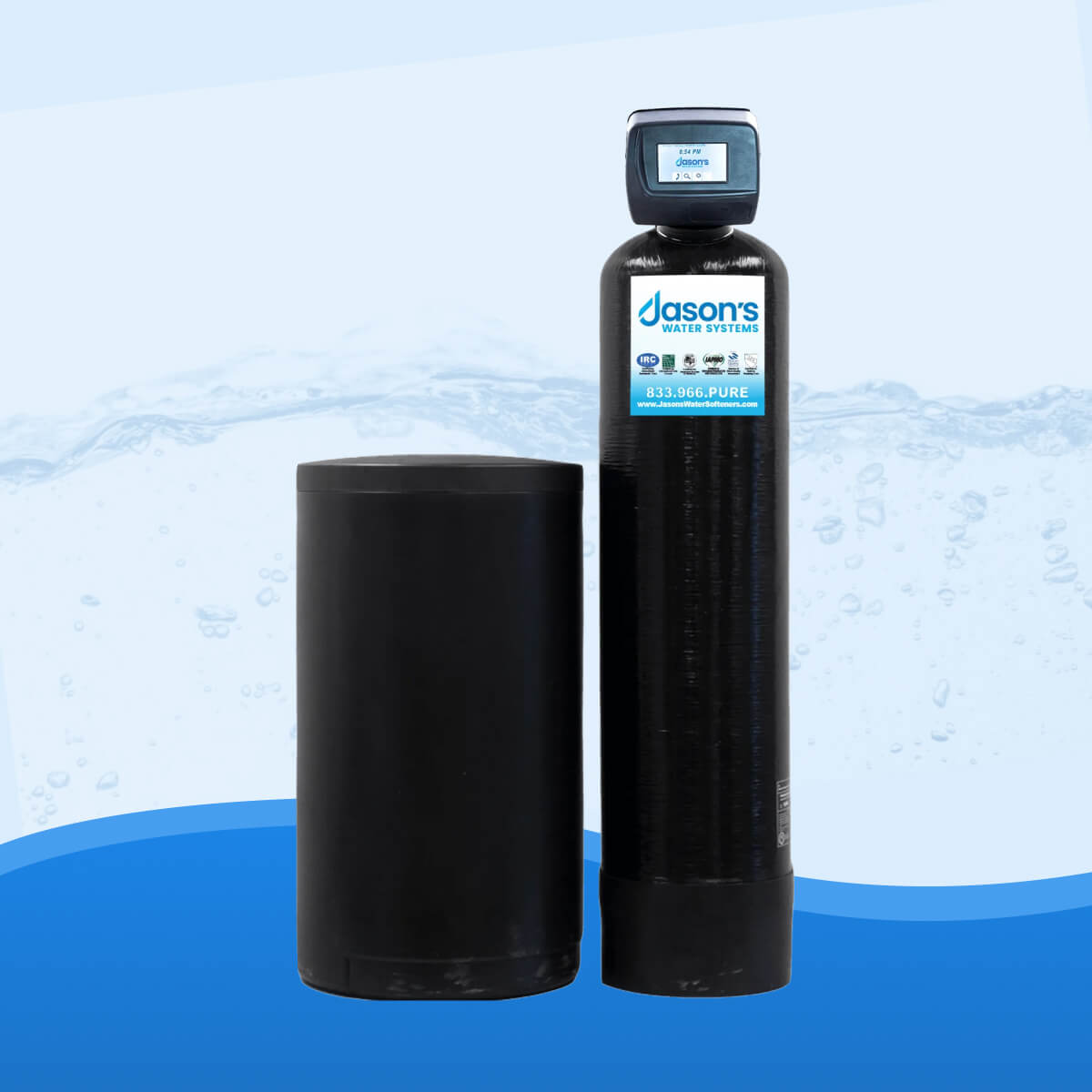
A whole-home water softener in San Antonio, TX treats every drop entering the house, including every faucet, shower, appliance, and laundry connection. Dishes come out clean, soap lathers properly, scale stops forming, and appliances last longer.
For Drinking Water Taste and Quality
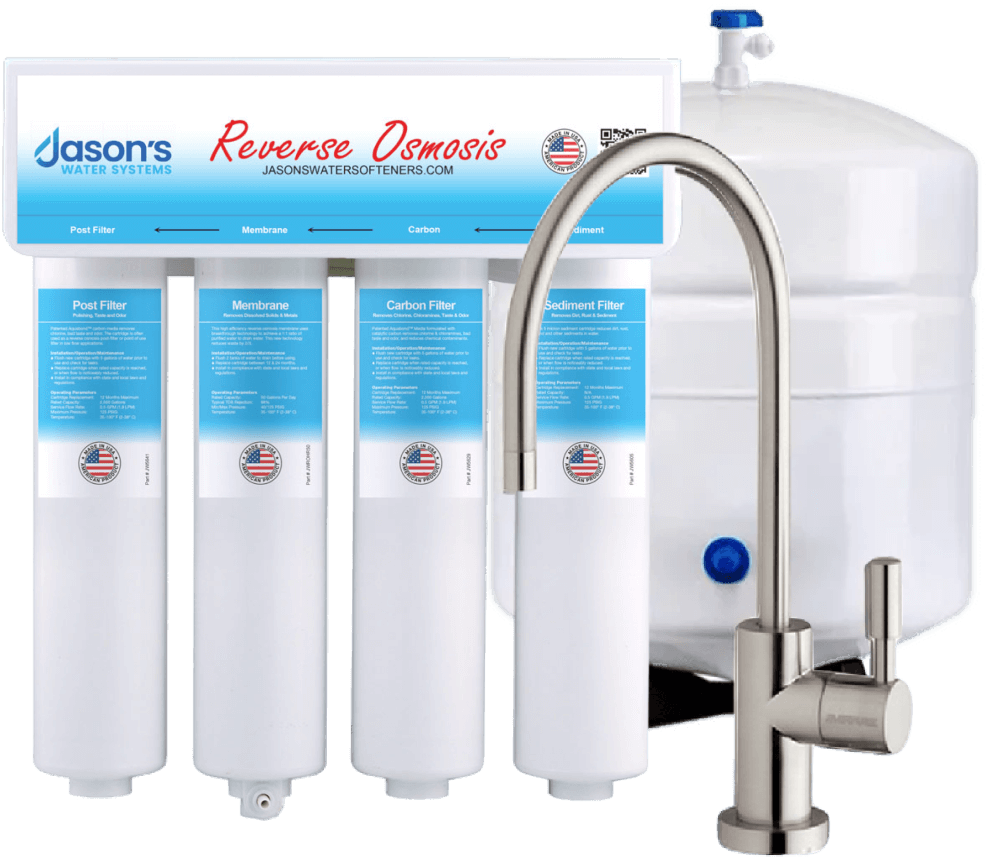
An under-sink reverse osmosis system or whole-home filtration delivers clean, better-tasting water straight from the tap. This eliminates the need for bottled water and the nagging question of what's actually in your glass.
For Well Water
Homes on private wells in Central Texas often deal with concerns like iron, sulfur, or bacteria that need more than a standard softener. A water test identifies exactly what's present so the system can be matched to it using customized well units built for your situation.
Many San Antonio homeowners install a softener and drinking water system together, addressing the hard water and drinking water issues in a single project. These systems are practical upgrades, since they affect daily life throughout the home.
The Quality-of-Life Shift Families Notice
Families typically notice a difference within the first week. Soap rinses off more easily in the shower, skin feels softer, and the showerhead stops collecting mineral crust. Laundry also comes out softer without needing extra fabric softener. In the kitchen, dishes and glasses come out of the dishwasher spot-free, and tap water tastes noticeably better once filtration is in place.
The day-to-day maintenance burden drops too; less scrubbing at faucets and no more frustration with fixtures that look grimy again a week after cleaning them.
Longer appliance life is the slower payoff that shows up over years through fewer water heater repairs. Your dishwasher and washing machine keep running efficiently with every cycle.
Why Now Is a Good Time to Evaluate
Scale that’s already formed inside pipes and appliances does not reverse, and the longer hard water runs through a home's systems, the more its effects accumulate.
Spring and summer in Central Texas bring heavier water usage, including more showers, more laundry, and more cooking, which increases the daily impact of hard water. Families who have lived with untreated hard water for several years already have appliances working harder than they should. The sooner treatment is in place, the more useful life remains in those systems.
A free water test with no obligation to purchase helps identify exactly what is in the water before making any decisions.
What Happens During a Free Water Test?
A water test is quick and doesn't require any advance prep. A technician comes to your home, tests the water on the spot, and walks you through the results in plain terms.
The results show the water's hardness level along with other concerns such as chlorine taste, sediment, or, for well water, iron and sulfur. Based on those results, the technician provides a straightforward recommendation, whether that is a whole-home softener, a filtration system, or both.
There is no pressure and/or requirements attached to the test itself. It's simply information you can use to make a decision that actually suits your home.
Improve Your Water Today With Jason’s Water Softeners
Moving is a major life decision that solves plenty of problems, but it won't fix hard water. A new address with the same water supply just means starting the same buildup all over again.
If water quality is part of what's been bothering you about your home, the smartest next step is finding out exactly what you're dealing with. Contact Jason's Water Systems for a no-obligation, free water test, so you have a clear, honest picture of your water before making any decisions about your home.
Frequently Asked Questions
Is hard water actually harming my home?
Yes. Hard water minerals like calcium and magnesium build up inside pipes, water heaters, and appliances over time. Scale buildup reduces appliance efficiency and shortens appliance lifespan.
How much does a whole-home softener cost compared to moving?
Homeowners can incur up to $50,000 or more for a mid-range home in the San Antonio metro, without factoring in commissions, closing costs, or moving expenses. A whole-home water softener and drinking water filtration system typically cost a small fraction of moving expenses.
Do we need both a softener and a filtration system?
Not necessarily, but many families choose both because they solve different problems. A softener treats hardness throughout the home, while a filtration or reverse osmosis system improves the taste and quality of drinking water. A water test can help determine what your home actually needs.
Will a newer home have better water?
Usually not. If a newer home draws from the same water supply or the same general area, it will typically have the same hardness and water quality issues as your current home. The water source is what determines quality, not the age of the house.
What if our home is on well water?
Well water can involve additional considerations beyond hardness, including iron, sulfur, or bacteria. A free water test identifies exactly what's present so the system can be matched to your specific water rather than a one-size-fits-all fix.
How do I know if hard water is really our issue?
Common signs include white spots on fixtures, soap that won't lather, cloudy dishes after the dishwasher, dry skin or dull hair after showering, and stiff laundry. If several of these sound familiar, a free water test can confirm what's actually going on.