What Builders Don’t Explain About Hard Water in New Construction
Quick Answer
New homes don’t fix hard water. Even brand-new plumbing is exposed to mineral-heavy water from day one, which can lead to buildup, reduced efficiency, and long-term damage if left untreated. Installing a whole-home water softener early helps prevent these issues and protects your home from the start.
Key Takeaways
- New construction homes still receive the same hard water supply
- Mineral buildup begins as soon as water runs through the home
- Hard water affects plumbing, appliances, and fixtures early
- Builders rarely include full water treatment systems
- Addressing water quality early helps prevent long-term costs
Why New Homes Still Have Water Problems
Buying a new home comes with the expectation that everything is fresh and problem-free. For many homeowners, that includes assuming water quality won’t be an issue. After all, the plumbing is new, the fixtures are new, and nothing has had time to wear down.
The reality is that water quality has nothing to do with a home's age. The same mineral-heavy water supply that affects older homes is running through your brand-new pipes. From the moment water flows through the system, those minerals begin to form deposits.
This is why many homeowners are surprised when they start seeing spots on fixtures, reduced water pressure, or early appliance issues within the first year. The home may be new, but the conditions affecting your water are exactly the same.
Hard Water Doesn’t Care If Your Home Is New
Hard water is caused by naturally occurring minerals, such as calcium and magnesium. These minerals are present in the local water supply, which means every home in the area receives the same water, regardless of when it was built.
As water moves through your plumbing, those minerals begin to separate and stick to surfaces. This process is gradual, but it starts immediately. Even light usage during the first few months can begin forming scale inside pipes, fixtures, and appliances.
Because the buildup is slow, most homeowners don’t notice it right away. But over time, it becomes more visible and more costly. That’s why addressing water quality early makes a noticeable difference in how your home performs long term.
What Builders Typically Don’t Tell You
Your Plumbing Is Already Being Exposed
Water is used throughout the construction process for pressure testing, cleaning, and system checks. That means hard water is already moving through your pipes before you ever turn on a faucet. While this doesn’t immediately cause visible damage, it does mean mineral deposits can begin forming early, especially in areas where water sits or flows repeatedly.
“Pre-Plumbed for Softener” Isn’t the Same as Installed
Many builders advertise homes as “pre-plumbed” for a water softener, which often gives homeowners a false sense of protection. In reality, this usually just means there’s a loop or connection point installed, not an actual water-treatment system.
Until a system is installed and functioning, your home is still fully exposed to hard water. Waiting too long to add one allows buildup to begin in plumbing, fixtures, and appliances.
Fixtures and Appliances Are Still at Risk
New appliances are often assumed to perform better and last longer, but hard water can start impacting them immediately. Water heaters, dishwashers, and washing machines all rely on clean water flow, and mineral buildup can reduce efficiency faster than most homeowners expect.
This often shows up as longer heating times, reduced performance, or visible residue on dishes and fixtures within the first year.
Warranty Gaps
Many homeowners assume their builder or manufacturer's warranty covers all potential issues in a new home. However, damage caused by hard water is often excluded, especially for high-efficiency systems like tankless water heaters.
This means problems related to scale buildup may not be covered, leaving homeowners responsible for maintenance, repairs, or replacement costs that could have been avoided with early water treatment.
How Hard Water Impacts a New Home
Hard water doesn’t just affect one part of your home. It affects multiple systems simultaneously, often in ways that aren’t immediately visible. While the signs may start small, the effects build over time and can lead to reduced performance, higher costs, and more frequent maintenance.
Plumbing System
Mineral deposits begin forming inside pipes as soon as water flows through them. Over time, this buildup narrows the pipes' diameter, restricting water flow and increasing system pressure. As the scale thickens, it becomes harder for water to move efficiently, putting added strain on your plumbing.
Water Heater Efficiency
Water heaters are one of the first systems to feel the impact of hard water. Minerals settle at the bottom of tanks or coat heating elements, creating a barrier that reduces heat transfer. This forces the system to work harder and run longer to produce the same amount of hot water, increasing energy usage and accelerating wear.
Appliances and Fixtures
Hard water leaves behind residue that builds up both inside and outside of appliances. Dishwashers and washing machines can lose efficiency as internal components accumulate scale, while faucets and showerheads may clog or develop visible buildup. Over time, this leads to more frequent cleaning, reduced performance, and a shorter lifespan for your equipment.
Everyday Use and Maintenance
The impact of hard water shows up in daily routines as well. Soap and cleaning products don’t lather or rinse as effectively, which can leave behind film on surfaces, dishes, and glass. Many homeowners also notice dry skin, dull hair, and a constant need for extra cleaning just to maintain the same results.
Why Addressing It Early Matters
Preventing buildup is far easier than removing it later. Once scale has formed inside pipes and appliances, it becomes more difficult and more expensive to correct. Installing a water treatment system early helps protect your home from the start. It improves efficiency, reduces appliance wear, and enhances overall water quality for everyday use. Taking action early also gives you more control over long-term maintenance and helps avoid unexpected repair costs down the line.
What Homeowners Should Do After Move-In
Moving into a new home is the best time to address water quality issues before they start. Because hard water can begin affecting your plumbing and appliances immediately, taking a few simple steps early can prevent buildup and help your systems perform the way they should in the long term.
Use this checklist to stay ahead:
- Test your water hardness to understand your baseline and local conditions
- Review your results to determine the level of treatment your home needs
- Plan for installation before heavy water usage begins in the home
- Choose a whole-home system designed for your household size and usage
- Work with a professional to ensure proper sizing and placement
- Confirm the system treats all incoming water, not just select fixtures
- Take action early to prevent buildup from affecting plumbing and appliances
What a Complete Water Solution Looks Like
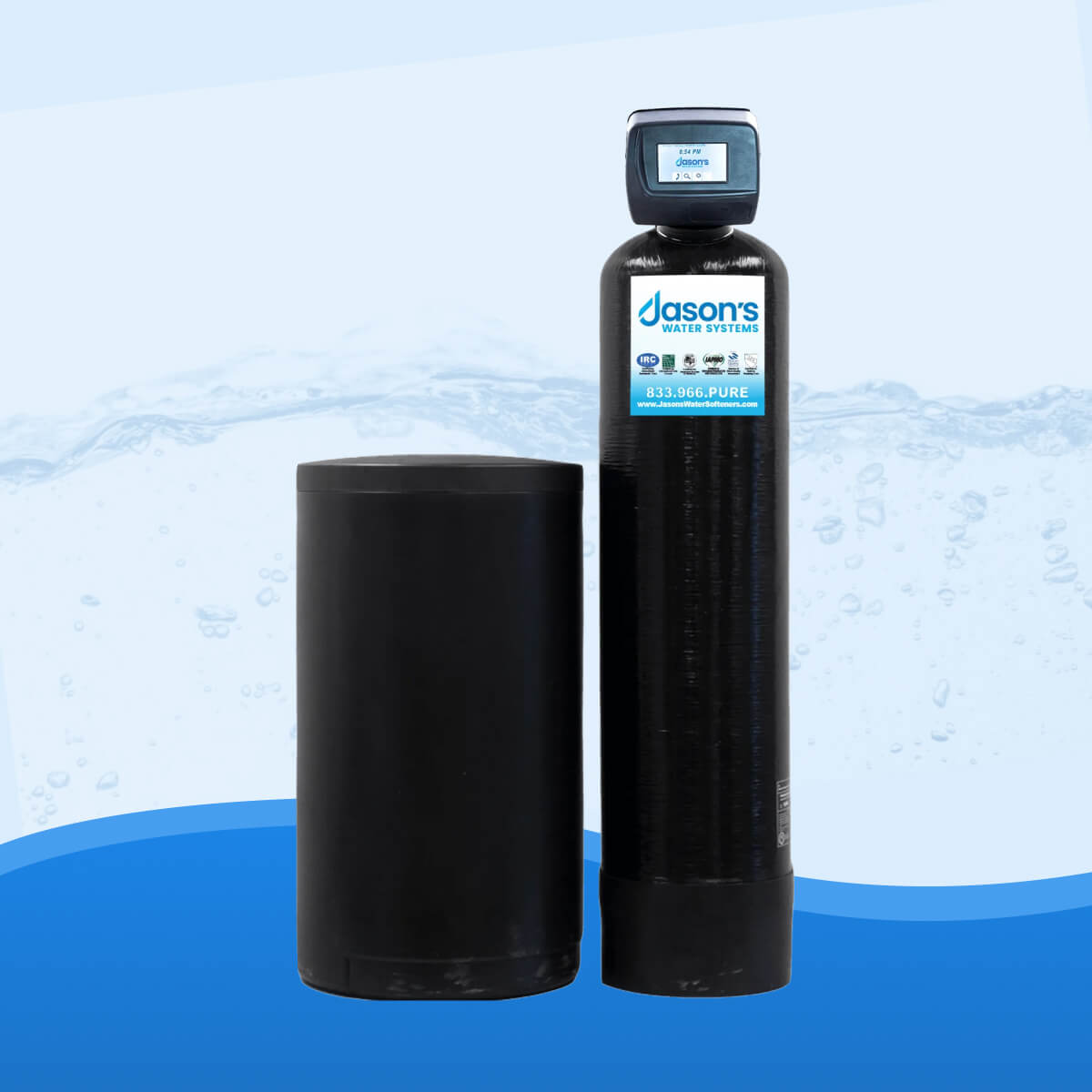
A complete solution typically starts with a whole-home water softener that treats all incoming water. This protects your plumbing system, appliances, and fixtures from mineral buildup.
Just as important as the system itself is making sure it’s properly sized and installed at the main water entry point. This ensures every faucet, appliance, and fixture in the home receives treated water from the start.
Common Mistakes New Homeowners Make
Many new homeowners assume that a brand-new home means fewer maintenance concerns, especially regarding water quality. Because hard water issues develop gradually, it’s easy to overlook them early on. These common mistakes can lead to unnecessary wear, higher costs, and avoidable damage over time:
- Waiting until problems appear before addressing water quality
- Assuming the builder has already handled water treatment
- Relying only on “pre-plumbed” setups without installing a system
- Choosing undersized or incomplete systems that don’t protect the whole home
- Ignoring water heater protection, especially with tankless systems
- Not testing water hardness after move-in
- Delaying installation until after heavy usage has already begun
Why Builders Trust Jason’s Water Systems
Many homebuilders focus on construction quality, but water quality is often left unaddressed. That’s why Jason’s Water Systems works with respected San Antonio home builders, including Drees Homes, to provide properly sized and professionally installed water softening systems for new construction. This proactive approach helps prevent scale buildup from day one, improves water quality throughout the home, and gives homeowners confidence that their investment is protected from the start.
Take the Next Step
Your home may be brand new, but your water supply hasn’t changed. From the moment water begins running through your plumbing, mineral buildup starts forming behind the scenes. What seems like a small issue today can turn into reduced efficiency, higher energy costs, and premature wear on your appliances over time. A properly installed whole-home water softener in San Antonio, TX, helps protect your plumbing, improve appliance performance, and deliver better water throughout your entire home.
Jason’s Water Systems works with homeowners to evaluate water conditions and recommend solutions that are built for long-term performance. If you’ve recently moved into a new home, now is the time to address your water before problems begin. Schedule your free water test today and take the first step toward better water throughout your home.