Home Improvements That Actually Save Money When You're Not Moving Anytime Soon
Quick Answer: Which Home Improvements Actually Save Money?
The best money-saving improvements usually attack expenses you already pay every month: heating and cooling, water heating, cleaning supplies, appliance operation, and repair costs.
For a long-term homeowner, worthwhile projects can include:
- Sealing air leaks and improving insulation
- Correcting inefficient HVAC ducts or equipment
- Installing a water softener in a hard water area
- Improving water heater efficiency
- Fixing leaks and restricted water flow
- Maintaining household appliances instead of replacing them prematurely
The biggest financial benefits come from reducing waste over many years. An improvement that saves a little each month, prevents one major repair, or adds years of useful appliance life can matter more than a remodel designed mainly for resale.
Key Takeaways
- The best home improvements for long-term homeowners reduce recurring costs, improve efficiency, or help expensive equipment last longer.
- In San Antonio, hard water can contribute to scale buildup in water heaters, plumbing, washing machines, dishwashers, and other appliances.
- Softened water can help maintain water heater efficiency, reduce detergent usage, and limit mineral buildup throughout the home.
- A water softener does not automatically lower your water bill because regeneration cycles use water and require salt refills and maintenance.
- The real savings from water softening can come from lower energy costs, reduced soap and cleaning product use, fewer hard-water-related repairs, and better appliance efficiency.
- Testing your actual water hardness is the best way to determine whether a water softener makes financial sense for your home.
If you are not planning to move anytime soon, home improvement decisions start to look different. You do not have to chase renovations that photograph well for a listing or worry about what the next owner might like. You can focus on improvements that make your house less expensive to operate every month.
That means looking beyond countertops and cosmetic upgrades. Air sealing, efficient equipment, plumbing improvements, and water treatment can reduce recurring expenses while helping expensive parts of your home last longer.
For San Antonio homeowners, water softening deserves a place on that list. SAWS reports typical water hardness of 15 to 20 grains per gallon, which means local homes regularly deal with calcium and magnesium that can create scale buildup throughout plumbing and water-using appliances.
Start With Air Sealing and Insulation
Before buying a larger air conditioner, look at whether your home is losing the conditioned air you already paid for.
Leaky or poorly insulated ductwork can send cooled air directly into an attic or other unconditioned space. The U.S. Department of Energy notes that leaking ducts can add hundreds of dollars per year to heating and cooling bills. When new HVAC equipment is actually needed, combining an efficient system with proper insulation, air sealing, and thermostat settings can reduce heating and cooling bills substantially.
In South Texas, where the air conditioner works hard for much of the year, this is the type of improvement you benefit from every summer you remain in the house.
It may not be the most exciting project, but lower energy bills are usually more useful than an improvement you only notice when someone visits.
Do Water Softeners Save You Money in a Hard Water Area?
Yes, a water softener can save you money when hard water is creating scale, increasing detergent usage, and making water heaters and other appliances work harder. The exact savings depend on your water hardness, household water use, equipment, energy costs, maintenance, and the type of water heater you own.
The important distinction is that a water softener does not create savings from one single place.
A water softener save can come from several smaller expenses working together:
- Better water heater efficiency
- Less scale buildup inside appliances
- Lower detergent usage
- Fewer hard-water cleaning products
- Reduced mineral buildup in plumbing
- Less wear on heating elements and water-using appliances
- Fewer hard-water-related service calls and costly repairs
That matters in San Antonio because local water is considerably harder than what many homeowners experience elsewhere. Hard water contains dissolved calcium and magnesium. As water is heated or evaporates, those hardness minerals can leave mineral deposits behind on heating surfaces, pipes, faucets, washing machines, dishwashers, and water heaters.
How Does a Water Softener Save Money on Water Heating?
Water heating is one of the clearest examples of why scale matters.
Hard water mineral deposits can accumulate wherever water is repeatedly heated. In a water heater, that means mineral buildup can form around internal components and heating surfaces. The system then has to operate with that scale present every time you need hot water.
A Battelle Memorial Institute study commissioned by the Water Quality Research Foundation compared water heaters operating with softened water and hard water. Gas storage water heaters using hard water accumulated substantially more scale and lost operating efficiency over the accelerated testing period, while the units receiving soft water maintained essentially constant efficiency.
At 15 grains per gallon, which falls within the typical San Antonio range reported by SAWS, the study modeled a 12.8% reduction in gas storage water heater operating efficiency over its lifecycle without softening and approximately 10.3% lifecycle energy cost savings when softened water was used. The impact increased as water hardness increased.
That does not mean every water softener will cut every homeowner's energy bills by the same amount. Water heater type matters. In the same study, electric storage water heaters did not show a measurable energy consumption difference during the test, although the researchers expected scale buildup to shorten the life of heating elements.
The takeaway is simpler: keeping scale off equipment helps it operate closer to the way it was designed. When your water heater can heat water without layers of mineral scale getting in the way, you are protecting system efficiency instead of accepting higher operating costs as normal.
Soft Water Can Cut What You Spend on Laundry and Cleaning
The savings are not limited to utility bills.
Hard water makes soap work less effectively. That is why homeowners often use more laundry detergent, dishwashing detergent, shampoo, soap, fabric softener, and cleaning supplies and still deal with soap scum afterward.
A Water Quality Research Foundation laundry study compared different water hardness levels, wash temperatures, and detergent amounts. With softened water, researchers were able to use 50% of the recommended detergent and wash at 60°F instead of 100°F while achieving the same or better stain removal than the hard-water conditions tested.
That can change the economics of everyday laundry loads. If you routinely purchase detergent, stain treatments, and fabric softener because clothes never seem to rinse clean, soft water may allow you to use less detergent while still getting softer clothes.
Dishwashing showed a similar pattern. Another study found detergent savings of up to 70% under its test conditions when softened water was used, along with less spotting and filming on dishes.
You should not assume your grocery bill will immediately fall by the same amount. The real savings depend on your products and habits. But using less soap and cleaning products month after month can put more money back in your bank account over the life of the water softener.
Protect the Appliances You Already Own
Replacing appliances before you planned to is rarely cheap.
Water heaters, coffee makers, dishwashers, washing machines, and other appliances repeatedly expose internal components to water. With hard water, each cycle creates another opportunity for scale build up.
In Battelle's accelerated testing, washing machines and dishwashers operating with 26 gpg hard water developed noticeable scale on interior surfaces after 30 days, while the appliances using softened water were almost free of water scale.
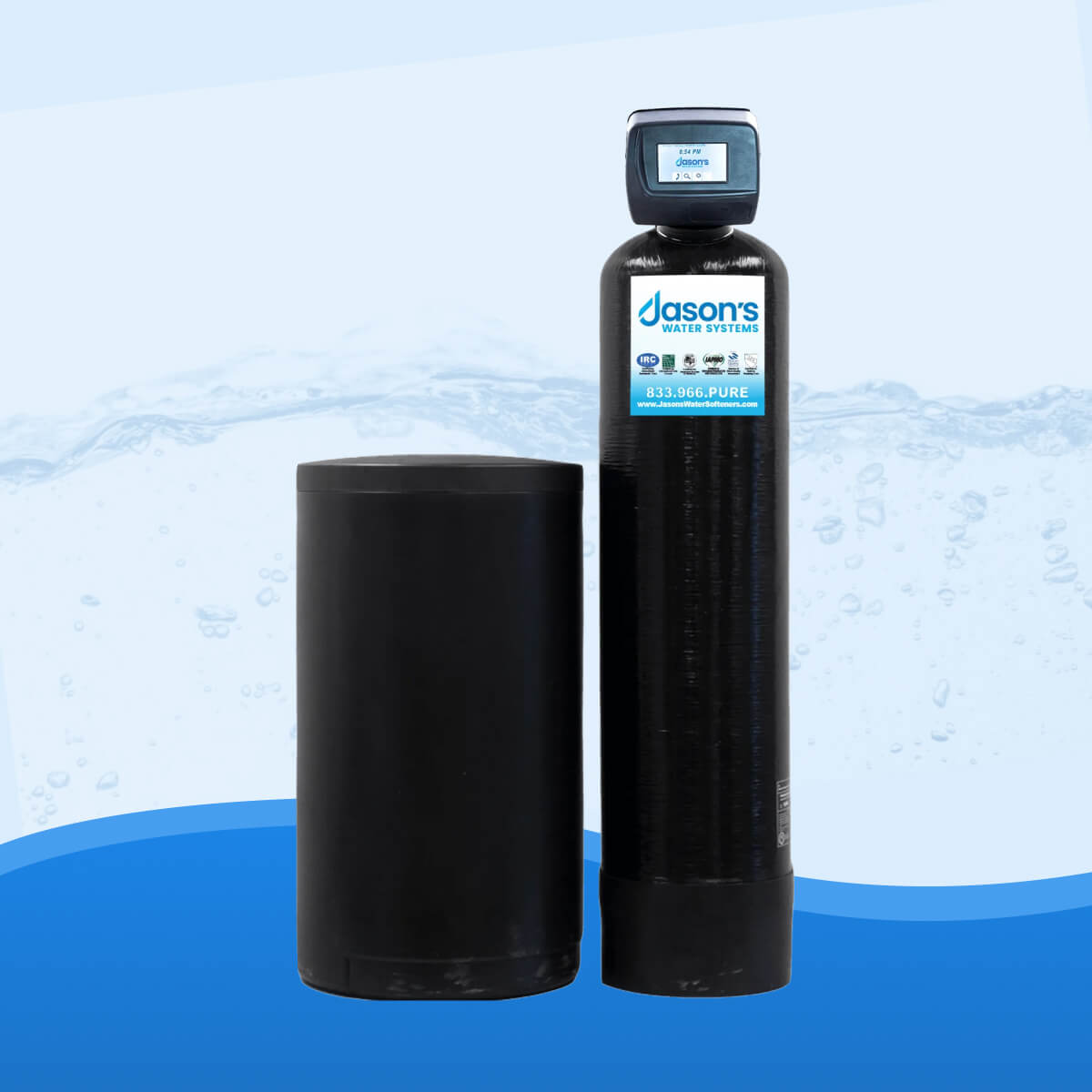
A whole-house water softener system removes the calcium and magnesium responsible for hardness before they reach those appliances. Jason's Water Systems describes the same benefit in its appliance guidance: less mineral buildup means less obstruction around water lines, pumps, valves, and heating components.
That does not make household appliances indestructible. It removes one source of unnecessary wear.
If you are staying in a home for another 10 or 20 years, helping your current appliances reach their expected service life can be more valuable than buying new equipment just because newer innovative technology is available.
Do Not Ignore Your Plumbing
Hard water does not stop at the appliance connection.
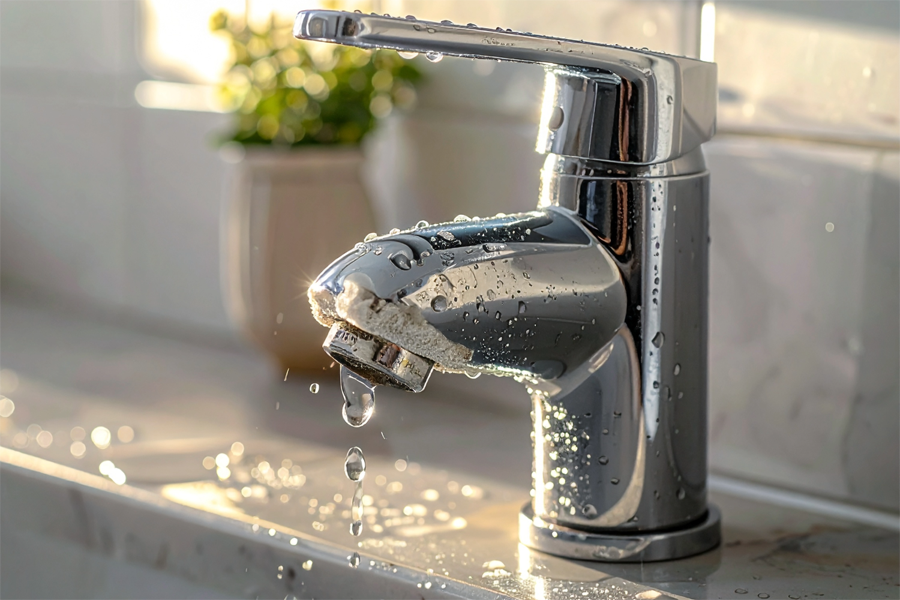
Limescale buildup can collect in plumbing fixtures and contribute to restricted water flow. Faucets and showerheads are especially visible examples, but mineral deposits can also affect components you cannot easily see.
In Battelle's accelerated testing, low-flow fixtures supplied with hard water eventually clogged from scale, while fixtures receiving softened water completed the testing without those problems.
Reducing scale buildup is not a guarantee against every leak or plumbing emergency. Pipes can fail for many reasons. But preventing hard water mineral deposits removes one ongoing source of buildup from the water system.
When you own the house long term, avoiding repeated descaling, fixture replacement, and hard-water-related repair work can contribute to real savings.
A Water Softener Does Not Automatically Lower Your Water Bill
This is an important part of the math.
Salt based softeners periodically run regeneration cycles to clean and recharge the resin. Regeneration uses water and creates brine discharge, and the homeowner also has ongoing costs such as salt refills and regular maintenance.
So, does a water softener save you money on the water bill itself? Not necessarily.
A properly configured system still uses water during regeneration. The financial argument for water softening is usually broader: reduced energy costs, less detergent, fewer mineral-related repairs, better appliance efficiency, and protection of the home's plumbing and water system.
Two households could use roughly the same amount of household water and see very different results depending on their hardness, equipment, family size, detergent usage, and regeneration settings.
That is also why buying an oversized or poorly configured water softener is not automatically better. Good system efficiency matters. Your water guy should be able to explain how the system is sized and how often it should regenerate rather than simply selling the largest unit available.
Improve the Water Heater You Already Have
You do not necessarily need to replace your water heater to save money.
Basic water-heater maintenance and operating changes can reduce unnecessary energy use. The Department of Energy recommends checking water-heater insulation and using an appropriate temperature setting, with 120°F commonly recommended for household use to reduce energy consumption while helping lower scalding risk.
If hard water has already created heavy mineral deposits inside the unit, maintenance may also be necessary. Once a new or serviced heater is operating correctly, water softening can help prevent new hardness scale from accumulating at the same rate.
Think of these improvements as a pair rather than competing options: maintain the equipment, then address the water conditions affecting it.
Fix Leaks and Water Flow Problems Early
Small plumbing problems have a way of becoming expensive ones.
A dripping fixture wastes water. A restricted aerator can make poor water flow feel like a pressure problem. Scale buildup can make fixtures harder to maintain. Waiting until something fails completely often means paying for emergency labor instead of planned service.
If your goal is to save money over years rather than prepare the house for sale next spring, regular maintenance usually beats reactive repairs.
That includes your water softener. Jason's Water Systems offers annual maintenance and service for water softeners, helping homeowners keep the water system operating correctly instead of waiting until hard water suddenly returns throughout the house.
What About the Initial Investment in a Water Softener?
A water softener costs money upfront and costs money to operate. That should be part of the decision, not hidden from it.
When comparing the initial investment, consider:
- Your actual water hardness
- Current energy costs
- Age and condition of your water heaters
- Number of water-using appliances
- How much soap and detergent your family uses
- Existing scale buildup
- Salt refills
- Annual maintenance
- Expected regeneration cycles
- Repair and replacement costs you are already experiencing
This is where a free water test is more useful than guessing.
If your water is only mildly hard and you have few hard-water problems, your financial return may be slower. If you are dealing with very hard San Antonio water, constant soap scum, mineral buildup, declining water flow, and repeated appliance problems, the calculation looks different.
Jason's Water Systems offers a free water quality test and consultation so homeowners can understand their water before choosing a water treatment system. The company is a Texas family owned business that has operated since 1979.
Don't Confuse Water Softening With Drinking Water Filtration
A water softener addresses water hardness. It is not the same thing as a drinking water filtration system.
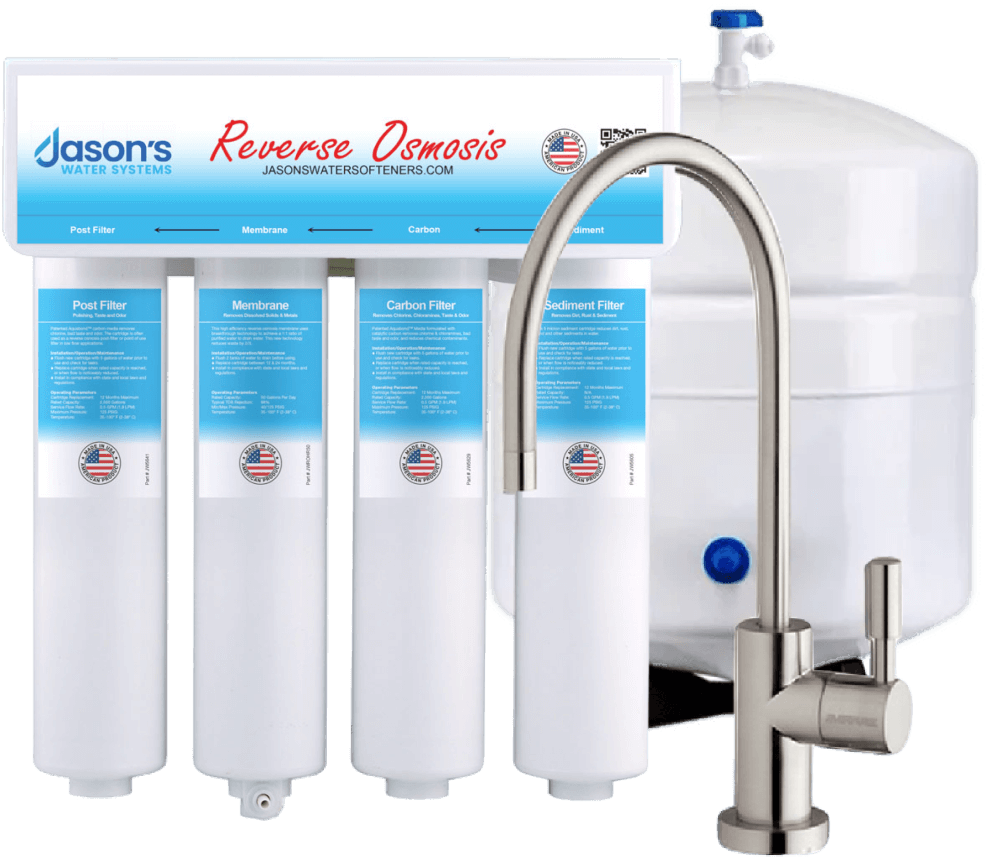
Water softening removes hardness minerals such as calcium and magnesium. Filtration addresses different water quality concerns. For homeowners who want improved drinking water in addition to softer household water, those technologies can be used together as part of a broader water treatment plan when you choose Jason’s Water Systems.
The goal is not transforming water just for the sake of adding another piece of equipment. The goal is choosing honest solutions for the problems actually present in your water.
If you have been researching trending water softening systems online, this distinction matters. Jason’s can explain what each stage of a water system does rather than promising that one type of treatment solves every possible water quality concern.
Which Improvements Are Worth It When You're Staying Put?
When you are not moving anytime soon, calculate value around years of use, not just resale.
An efficient HVAC system matters because you will pay the energy bills. Better insulation matters because you will live through the hot summers. A maintained water heater matters because you use hot water every day. A water softener can make financial sense because your appliances, plumbing, laundry, and cleaning routine interact with that water for years.
Even if you eventually do sell, many of these improvements still make the home easier to own. Jason's has previously noted that potential buyers feel relieved when a home already has a water treatment solution in place, but resale should be a secondary benefit when your plan is to stay.
The more useful question is not, "Will I get every dollar back when I sell?"
It is, "How much will this house cost me to operate while I am still living here?"
See Whether Hard Water Is Costing Your Home Money
San Antonio's 15–20 gpg water hardness gives homeowners a good reason to look closely at mineral deposits, water heater efficiency, detergent usage, scale buildup, and appliance life.
A water softener will not magically erase every utility bill, and it will not automatically reduce your water bill because the system itself requires regeneration and maintenance. But in a very hard water area, soft water can help protect water heaters, washing machines, dishwashers, plumbing, and other appliances while reducing some of the recurring costs associated with hard water.
Jason's Water Systems provides whole-house water softening and filtration along with professional installation, service, and a free water test. If you're trying to determine whether a water softener can save you money in your home, start with the water hardness you actually have rather than a generic estimate.
Contact Jason's Water Systems to schedule a free water quality test and find out whether water softening makes financial sense for your home.