How to Maintain Your Water Softener for Optimal Performance
Quick Answer
To maintain your water softener, check salt levels regularly, clean the brine tank periodically, monitor regeneration settings, test your water, and schedule professional service when needed.
Key Takeaways
- Regular salt checks prevent hard water from returning
- Brine tank cleaning improves efficiency and reliability
- Proper regeneration settings reduce salt and water waste
- Routine water testing helps catch issues early
- Professional maintenance extends system lifespan
A properly maintained water softener helps protect your plumbing, improves water quality, and keeps your system running efficiently year after year. While most softeners are built for long-term use, regular upkeep is essential to prevent performance issues, wasted salt, and unexpected repairs. This guide walks homeowners through the key steps to keep their water softener working at its best.
Why Water Softener Maintenance Is Important
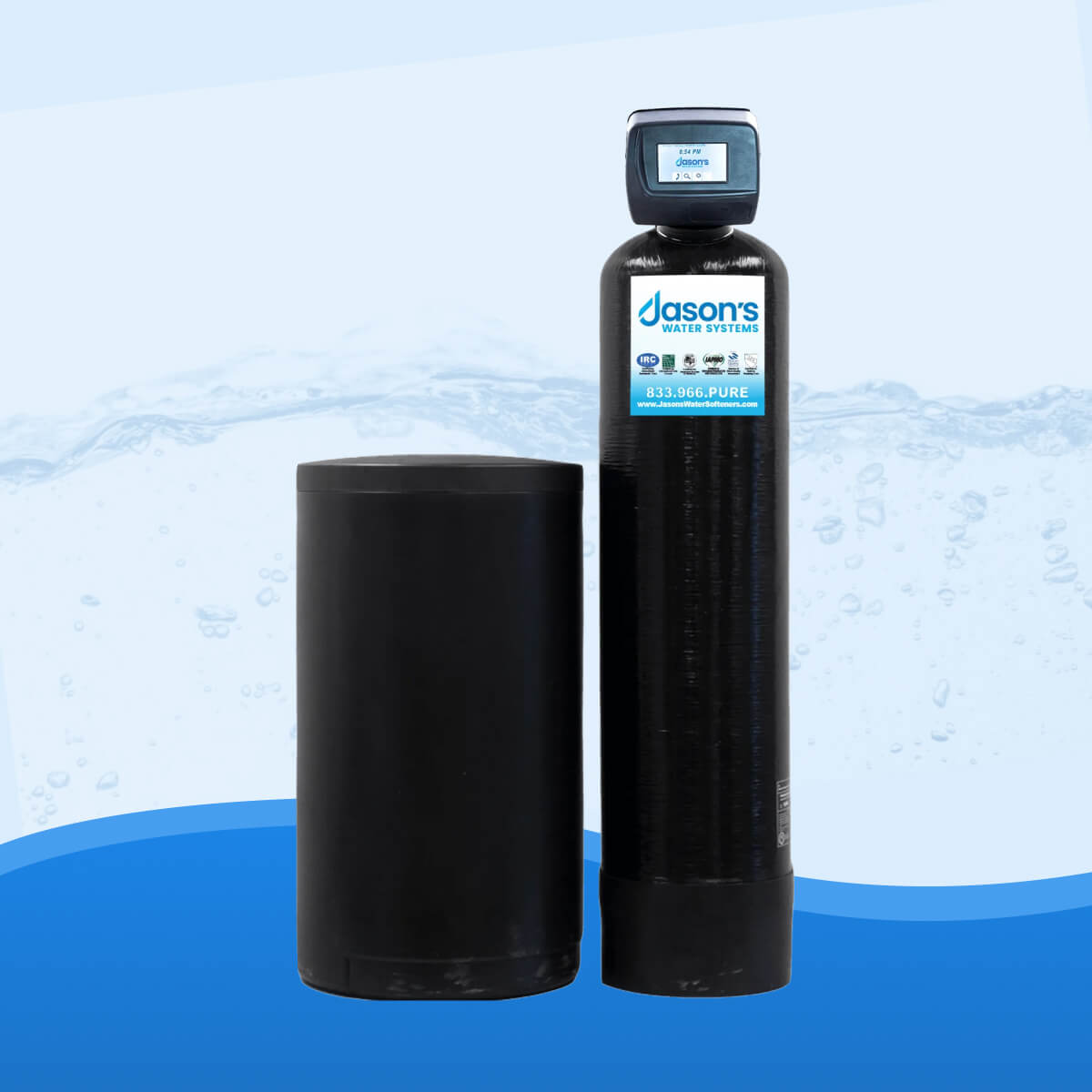
Water softeners work continuously to remove minerals like calcium and magnesium from your water. Over time, salt buildup, sediment, and incorrect settings can reduce efficiency. Poor maintenance often leads to higher salt usage, inconsistent water softness, and increased wear on internal components. Staying proactive helps avoid costly repairs and keeps your water consistently soft.
Check and Refill Salt Regularly
We recommend checking your water softener salt level about once a month to keep the system operating properly. Salt usage depends on factors like water hardness, household size, and how often your system regenerates. As a general rule, the salt level should stay at least several inches above the water level inside the brine tank.
Using a high quality salt is important for long term performance. Jason’s Water Systems commonly recommends clean burning evaporated salt because it dissolves more evenly and helps prevent residue buildup. While pellet or solar salt may be used in some systems, lower quality salt can contribute to bridging, mushing, or excess sediment over time, which may affect regeneration.
Clean the Brine Tank Periodically
Over time, salt residue, dirt, and fine sediment can accumulate in the brine tank. Homeowners are advised to have the brine tank cleaned every one to three years, depending on water conditions and salt type used.
Signs that the tank may need cleaning include salt that does not dissolve properly, visible sludge at the bottom of the tank, or inconsistent soft water throughout the home. A proper cleaning removes old salt buildup and ensures the system can regenerate efficiently.
Inspect and Maintain the Resin Bed
The resin bed is the core component that removes hardness minerals from your water. In areas with iron, sediment, or organic material, the resin beads can become coated over time, reducing their ability to soften water effectively.
Resin maintenance is typically handled by a professional. If water quality declines, soap stops lathering, or staining appears on fixtures, a technician can evaluate the resin bed and determine whether cleaning or replacement is needed to restore performance.
Review Regeneration Settings
Water softeners regenerate based on programmed settings tied to time, water usage, or meter readings. Incorrect settings can lead to excess salt use, wasted water, or inadequate softening.
If household size changes, water usage increases, or you notice higher than normal salt consumption, it may be time to review your regeneration settings. Seasonal adjustments can also improve efficiency.
Our technicians can verify that your system is programmed correctly to balance performance, salt usage, and water conservation.
Keep the System Free of Salt Bridges and Mushing
What Is a Salt Bridge?
A salt bridge occurs when hardened salt forms a crust above the water level, preventing proper salt dissolution. This can cause the system to stop softening even when the tank appears full.
What Is Salt Mushing?
Salt mushing happens when fine salt particles create a thick sludge at the bottom of the tank. This reduces brine production and disrupts regeneration cycles.
Both issues can often be prevented by using high-quality salt and checking the tank regularly.
Test Your Water Regularly
Water testing helps confirm that your softener is working properly. Changes in water feel, soap performance, or scale buildup may indicate reduced effectiveness.
Testing once or twice a year is usually sufficient, especially if you notice changes in water quality.
Schedule Professional Water Softener Service
Some maintenance tasks require professional tools and expertise. A professional service visit typically includes system inspection, resin evaluation, setting optimization, and overall performance testing.
Routine service helps identify small issues before they become major problems and ensures your system operates efficiently.
Signs Your Water Softener Needs Attention
- Hard water spots on dishes or fixtures
- Soap no longer lathers easily
- Increased salt usage without explanation
- Unusual noises during regeneration
- Scale buildup is returning on appliances
If you notice these signs, it is best to address them promptly.
How Jason’s Water Systems Helps Keep Your Softener Performing
Jason’s Water Systems provides expert water softener maintenance, inspections, and service tailored to your home’s water conditions. Our team helps ensure your system runs efficiently, protects your plumbing, and delivers consistently soft water.
Schedule Water Softener Service Today
Maintaining your whole-home water softener in Austin, TX, does not require constant effort, but it does require consistency. Regular checks, proper cleaning, and professional support go a long way in protecting your investment and improving daily water quality.
If your water softener needs maintenance or you want expert guidance, contact Jason’s Water Systems to schedule an inspection and keep your system performing at its best.